

This article is regularly updated (Sept 21,2026)
When homeowners think about increasing home value, they often focus on kitchens, bathrooms, or curb appeal. While those upgrades certainly matter, there’s another category that savvy buyers and inspectors pay close attention to: electrical upgrades.
Outdated electrical systems can quietly undermine a home’s resale value. Old panels, inefficient lighting, insufficient outlets, and lack of modern technology can signal risk, inconvenience, and future expense to potential buyers. On the flip side, strategic electrical upgrades can significantly increase home value, improve safety, boost energy efficiency, and make a home far more appealing in today’s competitive real estate market.
National surveys consistently show that a majority of home buyers say they would pay more for a home with an updated electrical system, and the National Association of Realtors has found that energy-efficient, move-in-ready features are increasingly influencing offers. An outdated panel, insufficient outlets, or dated lighting can just as easily work against a sale.
Whether you’re planning a renovation, preparing to sell, or simply modernizing your home for long-term comfort, investing in the right electrical improvements can deliver an impressive return. Below, we’ll explore the top five high-impact electrical upgrades that buyers notice, and that help your home stand out for all the right reasons.
Why Electrical Upgrades Matter in Home Valuation
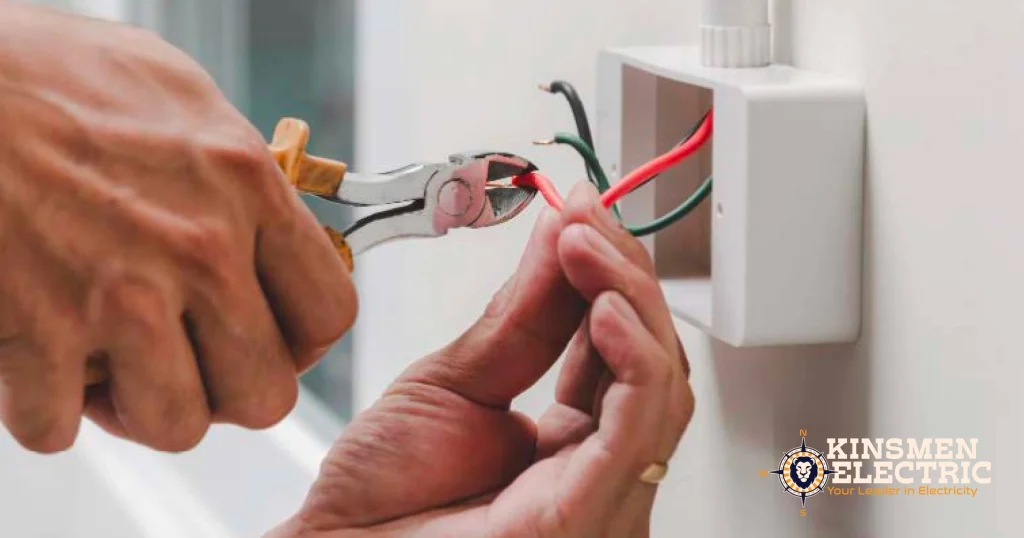
Electrical systems are largely hidden behind walls, but buyers absolutely care about them. Home inspectors, real estate agents, and educated buyers know that outdated electrical infrastructure often leads to costly repairs, safety hazards, or limited functionality.
Electrical deficiencies are also one of the most common issues flagged during a home inspection. Panels installed more than 20 to 25 years ago are frequently cited as a negotiation point, since financing and homeowner’s insurance can be harder to secure when a system does not meet current safety expectations.
Here’s why electrical upgrades matter so much in home valuation:
- Safety is non-negotiable: Old panels, outdated wiring, and non-compliant outlets can be red flags.
- Modern living requires modern power: Buyers expect smart home upgrades, EV charging capabilities, and efficient lighting.
- Energy efficiency sells: Homes with energy-saving features are more attractive and often appraise higher.
- Move-in readiness increases offers: Buyers are willing to pay more for homes that don’t require immediate electrical work.
By making strategic electrical upgrades before listing (or as part of a renovation) homeowners can position their property as updated, safe, and future-ready.
Upgrade #1 – Panel Replacement for Safety and Resale

One of the most impactful electrical upgrades you can make is a panel upgrade. While it’s not glamorous, it’s one of the first things inspectors look at and one of the biggest concerns for buyers.
Why an Old Electrical Panel Hurts Home Value
Many older homes still operate with panels that were never designed to handle modern electrical demands. Signs of an outdated or undersized panel include:
- Frequent breaker trips
- Flickering lights
- Limited circuit capacity
- Panels with recalled or obsolete brands
- Lack of room for future upgrades
From a buyer’s perspective, an old panel suggests immediate expense and potential safety risks. That uncertainty often leads to lower offers or demands for credits during negotiations.
How a Panel Upgrade Increases Home Value
Upgrading to a modern electrical panel delivers immediate value:
- Improved safety by reducing fire risks
- Increased capacity to support modern appliances and smart home upgrades
- Compliance with current electrical codes
- Better resale appeal with fewer inspection issues
A panel upgrade also makes it easier to add features like EV chargers, new HVAC systems, or additional lighting, all of which further increase home value.
Upgrade #2 – Smart Home Wiring for Automation Appeal
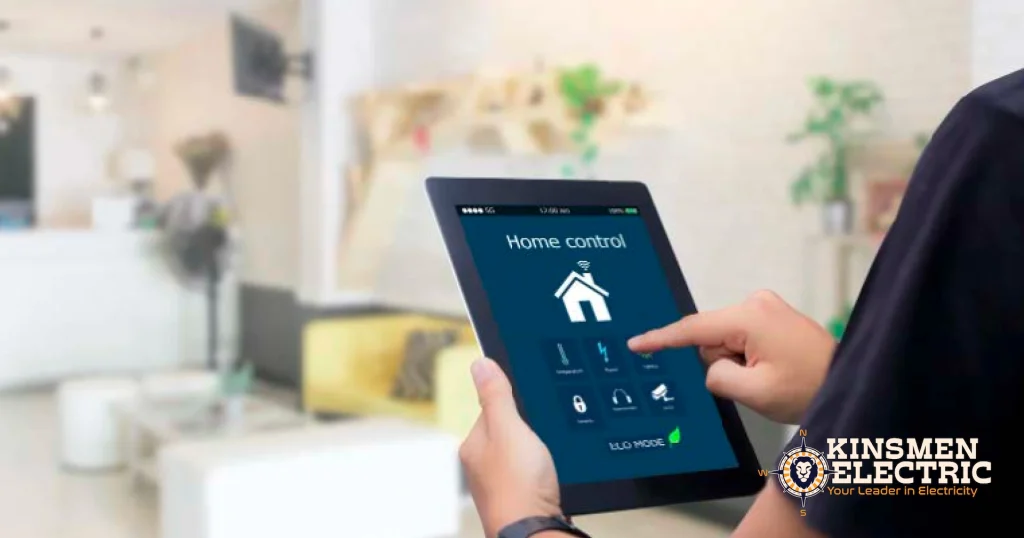
Smart home upgrades are no longer luxury add-ons. They’re becoming standard expectations. Buyers increasingly look for homes that are ready for automation, connectivity, and modern convenience.
What Smart Home Wiring Includes
Smart home wiring goes beyond installing a few devices. It involves creating an electrical and data infrastructure that supports:
- Smart thermostats
- Automated lighting systems
- Security cameras and doorbells
- Whole-home audio systems
- Smart locks and sensors
- Voice-controlled assistants
Proper wiring ensures these systems function reliably and safely, without overloading circuits or relying on messy extensions or DIY solutions.
Why Buyers Love Smart Home Upgrades
Homes with smart home upgrades stand out because they offer:
- Convenience: Automation simplifies daily routines
- Energy efficiency: Smart systems help reduce utility costs
- Security: Integrated monitoring increases peace of mind
- Future readiness: Buyers know they won’t need to rewire later
From a resale perspective, smart-ready homes attract tech-savvy buyers and younger families who prioritize connectivity. Even modest smart wiring upgrades can significantly increase home value by positioning the property as modern and adaptable.
Smart wiring is easiest to plan during a larger project. If you’re building or substantially renovating, our post on electrical planning for new construction covers how to route data cabling and dedicated circuits before the walls are closed up, which avoids costly retrofits later.
Upgrade #3 – LED Lighting Improvements
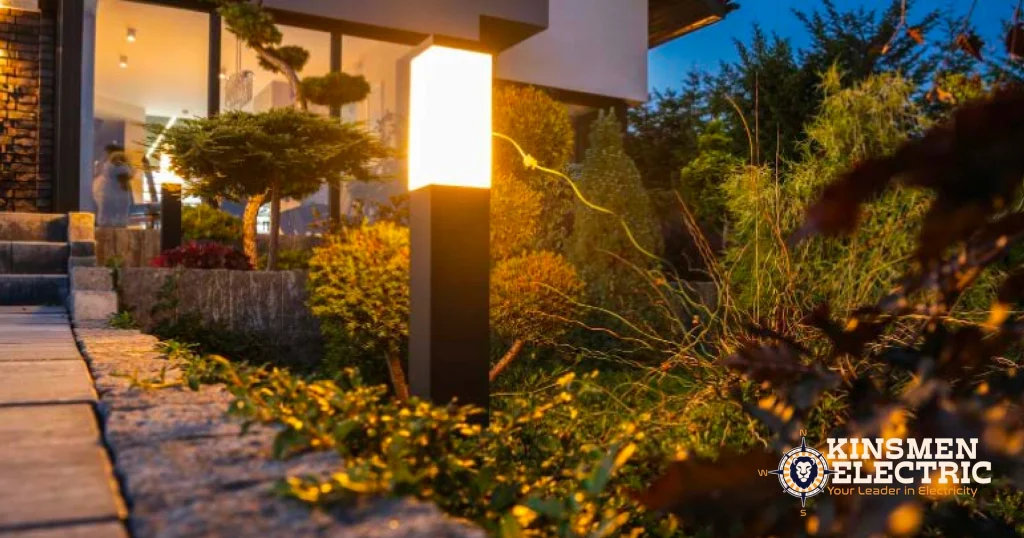
Lighting plays a huge role in how a home feels and how it photographs. Outdated or inefficient lighting can make even a beautiful space feel dark, dated, or uninviting. That’s why modern lighting upgrades consistently rank among the most cost-effective improvements homeowners can make.
Why Lighting Impacts Buyer Perception
Buyers respond emotionally to lighting. Poor lighting can:
- Make rooms feel smaller
- Highlight flaws
- Increase energy costs
- Signal outdated systems
In contrast, modern lighting enhances architecture, improves functionality, and creates an inviting atmosphere throughout the home.
How LED Lighting Increases Home Value
Upgrading to LED lighting offers multiple benefits:
- Energy efficiency: LEDs use significantly less power than traditional bulbs
- Long lifespan: Fewer replacements mean lower maintenance
- Modern aesthetics: Clean, bright, and customizable light
- Improved functionality: Task lighting, dimmers, and accent lighting enhance usability
Popular LED lighting upgrades include recessed lighting, under-cabinet lighting, exterior landscape lighting, and smart lighting controls. These improvements are highly visible to buyers and help create a move-in-ready feel that increases home value.
According to ENERGY STAR, LED bulbs use up to 90% less energy than incandescent bulbs and can last many times longer, which is one reason LED lighting upgrades remain one of the highest-value, lowest-cost improvements a homeowner can make before selling.
Upgrade #4 – Modern Outlets (USB, GFCI, and More)
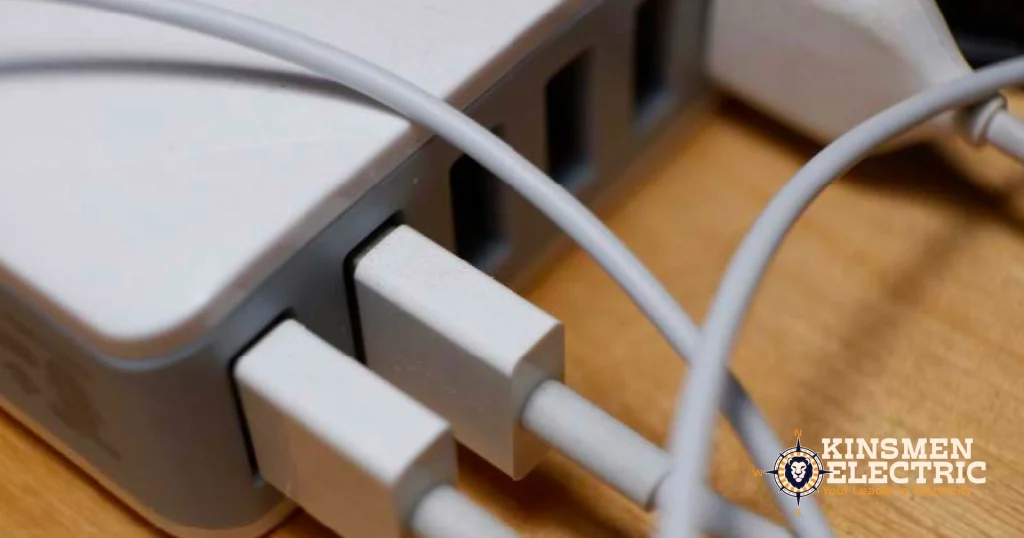
Outlets may seem like a small detail, but outdated or insufficient outlets are a common frustration for homeowners and a noticeable drawback for buyers.
Problems with Outdated Outlets
Older homes often lack:
- Enough outlets for modern electronics
- USB charging options
- GFCI outlets in kitchens, bathrooms, and garages
- AFCI protection required by modern codes
These deficiencies can create safety concerns and signal that the home hasn’t been properly updated.
Why Modern Outlets Appeal to Buyers
Installing modern outlets delivers immediate benefits:
- Convenience: USB outlets eliminate bulky adapters
- Safety: GFCI outlets protect against electrical shock
- Code compliance: Reduces inspection issues
- Visual upgrade: Clean, updated outlets enhance the home’s appearance
This is one of the simplest electrical upgrades that can noticeably increase home value by improving safety, usability, and buyer confidence.
Current versions of the National Electrical Code require AFCI and GFCI protection in most living areas, kitchens, bathrooms, garages, and outdoor spaces. Homes that haven’t been updated to reflect these requirements are more likely to draw attention during a home inspection, which can slow down a sale or trigger a repair request.
Upgrade #5 – EV Charging Stations and Whole-Home Surge Protection
Electric vehicles are no longer a niche purchase, and homes without EV charging capability are starting to fall behind buyer expectations. Adding a dedicated 240-volt circuit and a Level 2 EV charging station gives buyers one less thing to budget for after closing, and it signals that the home’s electrical system already has room for modern loads.
Why EV Charging Stations Add Value
- Convenience: Buyers can charge overnight without visiting a public station
- Reduced negotiation friction: A dedicated, permitted circuit is already in place
- Future readiness: Even buyers without an EV today may be planning to buy one
- Faster charging: A Level 2 charger replenishes a battery far faster than a standard outlet
Whole-Home Surge Protection: A Low-Cost Addition
Pairing an EV charger or panel upgrade with whole-home surge protection is a relatively inexpensive way to protect the modern electronics, appliances, and smart devices that a house full of upgrades now depends on. A single lightning strike or utility-side surge can damage HVAC systems, appliances, and electronics that would otherwise last for years. For homeowners who already rely on a backup generator during outages, adding surge protection at the panel is a natural next step to protect that investment as well.
Strategic Electrical Upgrades Deliver Maximum ROI
Not all renovations offer the same return, but strategic electrical upgrades consistently provide high value because they address multiple buyer priorities at once:
- Safety
- Efficiency
- Modern convenience
- Future readiness
By upgrading panels, lighting, outlets, smart wiring, EV charging capabilities and surge protection, homeowners can dramatically improve their property’s appeal while minimizing future objections during the selling process.
How Kinsmen Electric Can Help with Electrical Upgrades
At Kinsmen Electric, we understand that every home, and every homeowner’s goal, is different. Whether you’re renovating to enjoy your space more or preparing to list your home for sale, our team helps you choose the right electrical upgrades for maximum impact.
Why Homeowners Trust Kinsmen Electric
- Expertise in residential electrical upgrades
- Focus on safety, code compliance, and long-term value
- Experience with panel upgrades, modern lighting, smart home upgrades, EV charger installations and generator and surge protection systems
- Honest recommendations tailored to your goals and budget
We don’t just install electrical systems. We help homeowners increase home value, improve energy efficiency, and create homes that today’s buyers truly want.
Frequently Asked Questions
Do electrical upgrades increase home value?
Yes. Buyers and appraisers increasingly view a modern, code-compliant electrical system as a baseline expectation rather than a luxury. Panel upgrades, updated wiring, and features like EV charging and smart home wiring can make a home more attractive and reduce friction during negotiations, even when a single upgrade doesn’t add a specific dollar figure to the appraisal.
Will a panel upgrade increase home value?
A panel upgrade rarely adds a dramatic dollar amount on its own, but it protects the value you already have. Homes with outdated or undersized panels are more likely to see lower offers, insurance complications, or buyer requests for credits during closing. Replacing an aging panel removes that objection and can make the home easier to finance and insure.
How much does an electrical panel upgrade cost?
Costs vary based on panel size, home layout, and local permitting requirements, but a panel upgrade is typically a far smaller investment than a full home rewire. A licensed electrician can give you an accurate number after evaluating your current panel and electrical load.
Is it worth upgrading electrical before selling a house?
It depends on the current condition of your system. If your panel, wiring, or outlets are outdated, damaged, or out of code, upgrading before listing can prevent inspection delays and give you stronger negotiating footing. If your system is relatively modern and functioning well, a full upgrade may not be necessary, and an electrician can advise which specific updates offer the best return.
How often should an electrical panel be replaced?
Most panels have a functional lifespan of 25 to 40 years, but electricians generally recommend replacement every 20 to 25 years, especially in homes adding EV chargers, expanded HVAC systems, or other high-demand modern appliances.
Ready to Upgrade Your Home’s Electrical System?
If you’re planning renovations, preparing to sell, or simply modernizing your home, now is the perfect time to invest in high-impact electrical upgrades. Contact Kinsmen Electric to schedule a consultation and discover how strategic improvements can elevate your home’s safety, functionality, and resale value.
Your home deserves power that works as hard as you do — today and for years to come.