
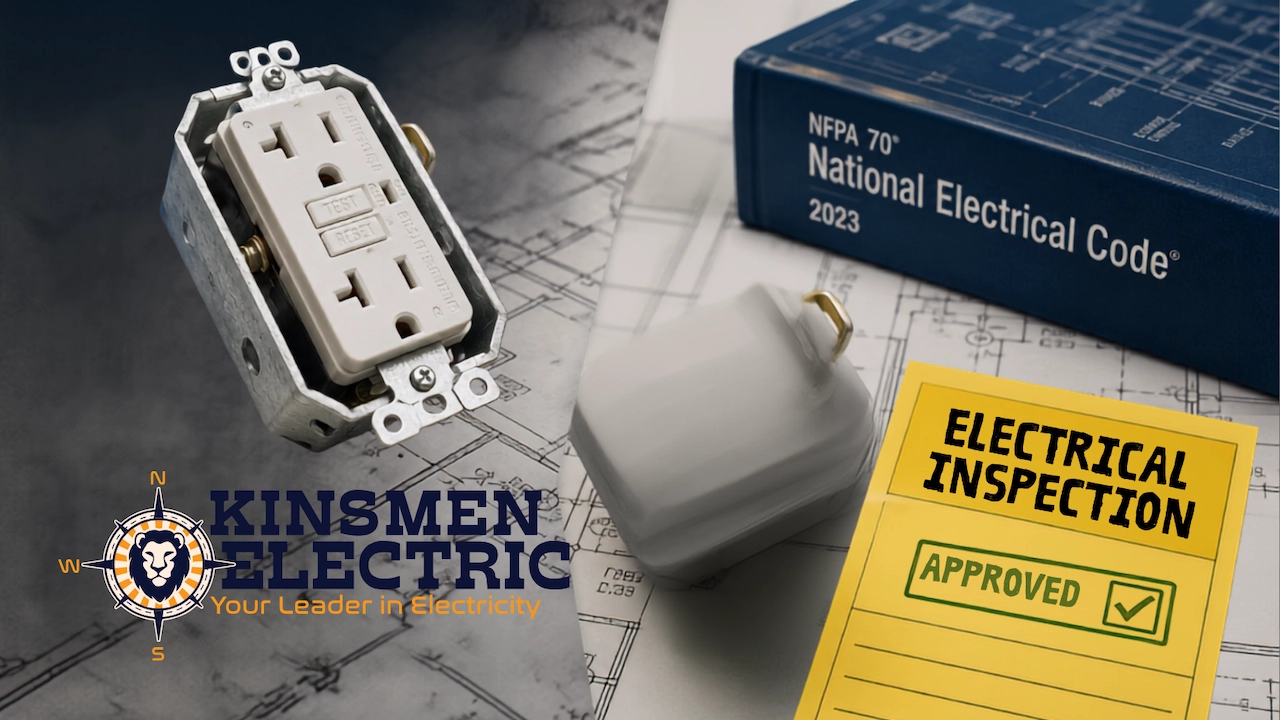
Planning an electrical repair, home renovation, or major upgrade? You’ve probably heard the phrase “electrical code” before. But what does it actually mean—and why should you care about it as a homeowner?
Electrical codes can feel confusing. There are rules about wiring, outlets, panels, grounding, GFCI protection, permits, inspections, and countless other details. And depending on the project and where you live, the requirements can vary.
But electrical codes aren’t designed to make your project more complicated.
They exist to help keep your home, your family, and your electrical system safe.
When electrical work is performed incorrectly or without following applicable requirements, the consequences can range from nuisance breaker trips and failed inspections to electrical fires, shock hazards, property damage, and costly repairs.
That’s why electrical code compliance should be part of every electrical project—not something you worry about after the work is finished.
At Kinsmen Electric, our electricians understand that homeowners don’t want to become electrical-code experts. They want to know that their project is being completed correctly, safely, and in accordance with the requirements that apply to their home.
What Are Electrical Codes?
Electrical codes are standards that establish minimum safety requirements for electrical installations.
In the United States, the National Electrical Code (NEC) is the primary model code used to establish electrical safety standards. The NEC is updated periodically, but local jurisdictions determine which edition and amendments apply in their area.
That distinction is important.
Just because something was acceptable when your home was built doesn’t necessarily mean a new electrical installation can be completed the same way today.
Electrical requirements can address everything from:
- Wiring methods
- Electrical panels
- Circuit protection
- Grounding and bonding
- Receptacle placement
- GFCI and AFCI protection
- Electrical equipment
- Outdoor electrical installations
- Bathrooms and kitchens
- Pools and other special locations
- Service capacity
- Equipment clearances
The specific requirements depend on the project, the existing electrical system, and the codes adopted by the local authority having jurisdiction.
In other words, electrical code compliance isn’t a one-size-fits-all checklist.
That’s one reason working with an experienced electrician matters.
Why Does Electrical Code Compliance Matter?

At its most basic level, electrical code exists to reduce electrical hazards.
Your home’s electrical system carries significant amounts of energy. When wiring, circuits, equipment, or protective devices are improperly installed, that energy can create serious risks.
Code requirements help address hazards such as:
Electrical Shock
Proper grounding, bonding, GFCI protection, and equipment installation can help reduce the risk of dangerous electrical shock.
Electrical Fires
Improperly sized conductors, overloaded circuits, loose connections, damaged wiring, and inadequate protection can contribute to overheating and fires.
Equipment Damage
Electrical problems can damage appliances, electronics, lighting, and other equipment.
Property Damage
Electrical failures can lead to fires or other damage that extends far beyond the electrical system itself.
Following electrical codes doesn’t guarantee that an electrical system will never experience a problem—but it establishes important safety standards for how electrical work should be installed.
Common Electrical Code Problems Homeowners Encounter
Electrical code violations aren’t always obvious.
In fact, some of the most concerning problems can be hidden behind walls, inside junction boxes, or within an electrical panel.
Here are several issues homeowners may encounter during repairs or renovations.
1. Missing GFCI Protection
Ground-fault circuit-interrupter protection is an important safety feature in areas where electricity and water may come into contact.
Bathrooms, kitchens, garages, outdoor areas, laundry areas, and other locations may have specific GFCI requirements depending on the installation and applicable code.
A GFCI device is designed to quickly interrupt electrical power when it detects a potentially dangerous difference between current flowing through conductors.
If you’re remodeling a bathroom or kitchen, don’t assume the existing electrical setup automatically meets the requirements for your renovation.
2. Improperly Sized Wiring
Electrical conductors need to be appropriately sized for the circuit and intended load.
Using wiring that isn’t suitable for the circuit can create excessive heat and increase the risk of damage.
This is particularly important when homeowners add new appliances, upgrade equipment, or modify existing circuits.
3. Overloaded Circuits
Older homes weren’t necessarily designed for the number of electrical devices we use today.
A modern kitchen, for example, may need to support refrigerators, dishwashers, microwaves, garbage disposals, coffee makers, air fryers, induction cooktops, wall ovens, and numerous countertop devices.
Simply adding more outlets doesn’t necessarily solve the problem.
The electrical system needs to be evaluated to determine whether the existing circuits and service can safely support the additional demand.
4. Improper Outlet Placement
Electrical codes include requirements for receptacle placement in certain areas of a home.
This isn’t just about convenience.
Proper outlet placement helps reduce the need for extension cords and other temporary electrical solutions that can create additional hazards.
A renovation is an excellent opportunity to evaluate whether your existing receptacle layout makes sense for how you actually use the space.
5. DIY Electrical Modifications
This is a big one.
Homeowners often tackle projects themselves because a repair may look simple from the outside.
Replacing a light fixture or switch may be straightforward in some circumstances, but electrical systems can have hidden complications. Older wiring, multiple circuits, improper previous modifications, grounding issues, or other problems may not be obvious.
And when electrical work requires a permit or inspection, improperly performed work can create even bigger headaches.
Do You Need Permits for Electrical Work?
One of the most common questions homeowners ask is:
“Do I need a permit for this?”
The answer depends on the project and the requirements of your local jurisdiction.
Permits for electrical work may be required for certain installations, alterations, repairs, service upgrades, additions, or renovations. Some minor work may be treated differently.
That’s why it’s important not to assume that a project is permit-free simply because it seems small.
Permit requirements can vary by location, project type, and scope of work.
A qualified electrical contractor can help you understand what may be required before work begins and can coordinate with the appropriate local authorities when necessary.
That is much easier than discovering after the fact that your project should have been permitted.
What Happens If Electrical Work Isn’t Code Compliant?
Ignoring electrical codes can create more than an inspection problem.
Depending on the situation, non-compliant electrical work may result in:
- Failed inspections
- Required corrections
- Additional project costs
- Delays in a renovation
- Difficulty selling your home
- Problems with future renovations
- Potential insurance complications
- Increased electrical safety risks
Imagine investing thousands of dollars into a kitchen renovation only to discover that electrical work behind the walls doesn’t meet the requirements for the project.
Fixing it after drywall, cabinets, tile, or other finishes have been installed can be far more expensive than addressing it correctly during the renovation.
That’s why home renovation electrical codes should be considered during the planning stage—not after the contractor has already started.
Why Work With a Licensed Electrician?
Electrical work isn’t the place to guess.
A licensed electrician brings experience with troubleshooting electrical systems, installation practices, safety requirements, and the code considerations that apply to the project.
More importantly, an experienced electrician knows that code compliance isn’t simply about memorizing a book.
Electrical codes are detailed and updated over time. Local jurisdictions can also adopt amendments and establish their own permitting and inspection processes.
A professional electrician stays informed about these requirements and knows how to apply them to real-world projects.
That’s particularly valuable when you’re working with an older home.
An electrician may uncover existing conditions that need to be addressed before new work can safely be installed. Instead of simply connecting new equipment to an outdated system, the electrician can evaluate the bigger picture.
Electrical Codes and Home Renovations
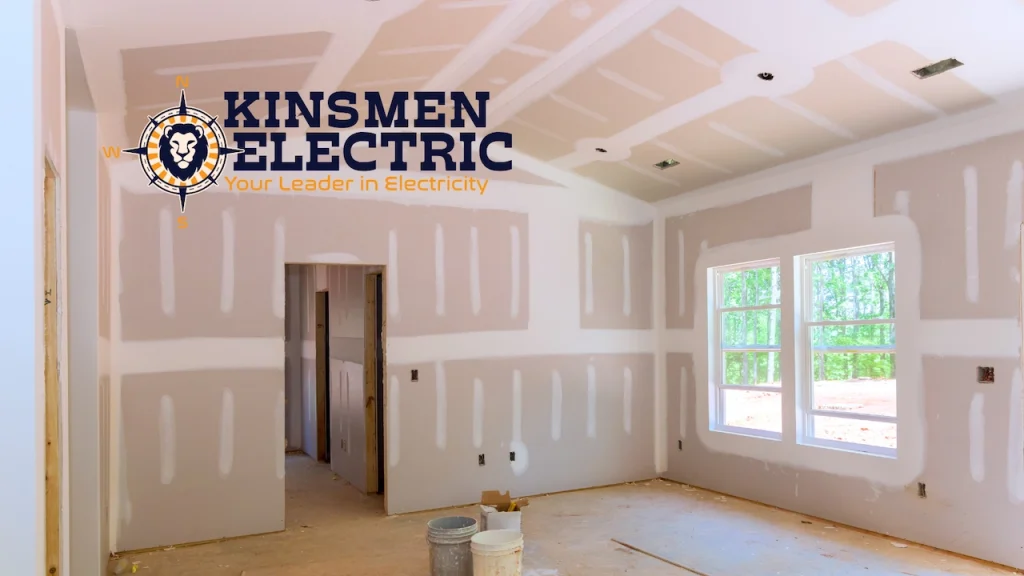
Major renovations are one of the best times to evaluate your home’s electrical system.
Opening walls provides access that may not be available once the project is finished. Adding new appliances, lighting, outlets, or other electrical equipment also provides an opportunity to make sure the system can safely support the renovation.
For example, a kitchen renovation may involve:
- New countertop receptacles
- Island outlets
- Dedicated appliance circuits
- Under-cabinet lighting
- Recessed lighting
- New switches and dimmers
- GFCI protection
- A range or induction cooktop
- Microwave or wall oven
- Electrical panel modifications
A bathroom renovation might involve:
- Vanity lighting
- New receptacles
- GFCI protection
- Exhaust fans
- Heated flooring
- Illuminated mirrors
- Additional lighting
- New switches
These aren’t simply design decisions.
They are electrical decisions that need to be incorporated into the overall renovation plan.
How Kinsmen Electric Helps With Code Compliance
At Kinsmen Electric, we know homeowners don’t want to spend their weekends trying to decipher electrical code books.
They want an electrician who understands the requirements and can explain what needs to happen in practical terms.
That’s where our experience comes in.
We approach electrical projects with safety, functionality, and compliance in mind.
We Evaluate the Existing System
Before making changes, we can assess the existing electrical system and identify potential issues that could affect your project.
We Plan the Electrical Work
Whether you’re adding an outlet, upgrading a panel, remodeling a kitchen, or completing a larger renovation, we help determine what the project requires.
We Account for Applicable Code Requirements
Electrical installations need to meet the requirements applicable to the project and location. Our electricians stay current with electrical standards and requirements so we can approach each project with compliance in mind.
We Help Navigate Permitting
When permits are required, understanding the process early can help prevent unnecessary delays and surprises.
We Coordinate the Work
For renovation projects, electrical work often needs to happen at specific points in the construction schedule. Proper coordination helps ensure wiring and electrical components are installed at the right stage of the project.
Code Compliance Is About More Than Passing Inspection
It’s easy to think of electrical code as a bureaucratic hurdle.
But the bigger purpose is safety.
When your electrician follows applicable electrical requirements, they’re helping create an electrical system designed to function safely within the conditions of your home.
And that matters whether you’re planning a major renovation or simply need electrical repairs.
You shouldn’t have to wonder whether the wiring behind your walls was installed correctly.
You shouldn’t have to guess whether your panel can handle a new appliance.
And you shouldn’t have to find out during a home sale that previous electrical work wasn’t properly completed.
Trust Kinsmen Electric With Your Electrical Project
Electrical work is too important to leave to guesswork.
From repairs and upgrades to renovations and new installations, electrical code compliance should be built into the project from the beginning.
Kinsmen Electric brings professional experience and a commitment to doing electrical work correctly—not cutting corners.
We stay informed about electrical requirements so you don’t have to.
If you’re planning an electrical renovation, remodeling project, panel upgrade, or repair, talk with Kinsmen Electric before the work begins. We can help you understand what your project requires, identify potential issues, and make sure your electrical plans are built around safety and compliance.
When it comes to your home’s electrical system, doing it right matters.
Contact Kinsmen Electric today and request a quote to discuss your next electrical project.