
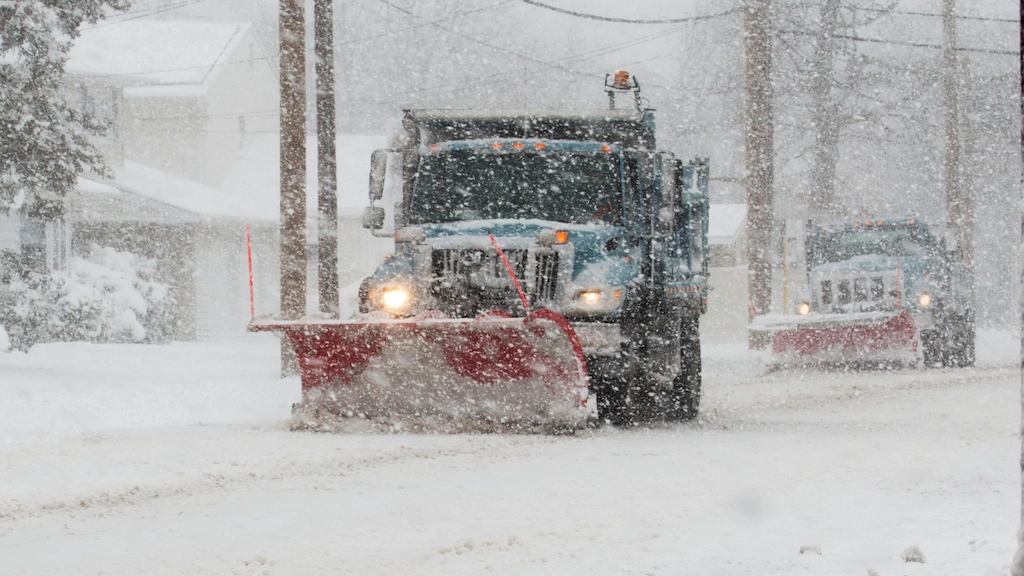
Pennsylvania winters have a way of making homeowners reach for everything at once: space heaters, electric blankets, holiday lights, extra cooking appliances, generators, and anything else that helps make a cold, dark evening a little more comfortable.
The problem? Your home’s electrical system has to handle that increased demand, often while winter storms bring another challenge: power outages.
That makes fall the perfect time for a quick electrical safety check. A few minutes spent looking for warning signs now could help prevent an electrical emergency, damaged equipment, or an inconvenient repair when the roads are covered in snow.
Here are five important winter electrical safety checks Pennsylvania homeowners should make before temperatures really drop.
1. Check Your Outlets Before Plugging In Space Heaters
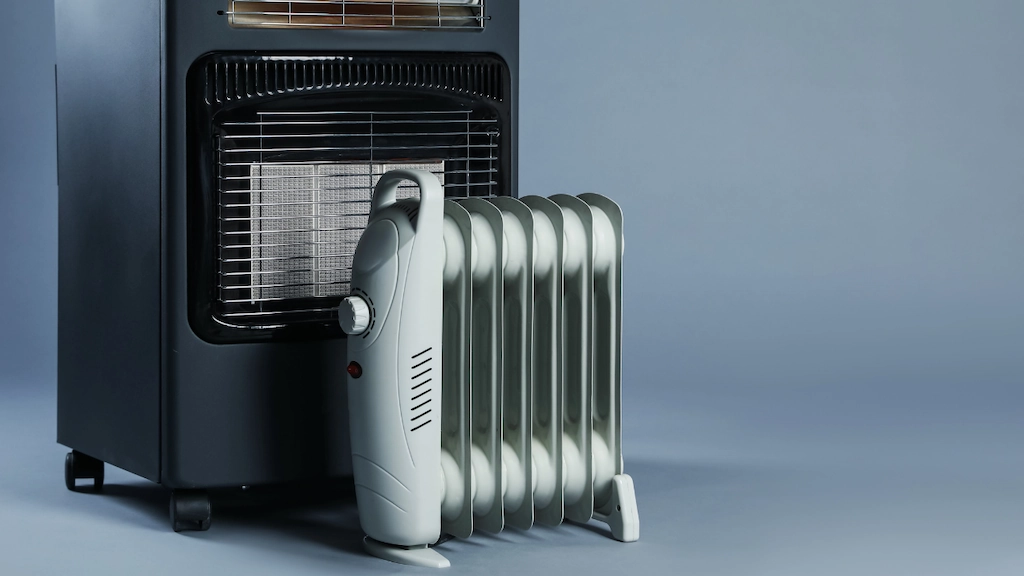
Space heaters can be useful for warming up a chilly room, but they also draw a significant amount of electricity. That makes space heater electrical safety especially important during the winter months.
Before plugging in a space heater, check the outlet and surrounding area for:
- Discoloration or scorch marks
- Cracks or visible damage
- Loose plugs that don’t fit securely
- Warm or hot outlets
- Burning smells
- Buzzing or unusual sounds
A space heater should be plugged directly into a wall outlet, not an extension cord or power strip. Avoid plugging other high-demand appliances into the same outlet or circuit.
And don’t use a space heater with a damaged cord or plug.
If an outlet becomes hot, smells like burning, sparks, or shows signs of damage, stop using it and have an electrician take a look.
Quick winter electrical safety tip: If you haven’t used a particular outlet since last winter, give it a quick inspection before putting a heater back into service.
2. Look for Signs Your Circuits Are Overloaded
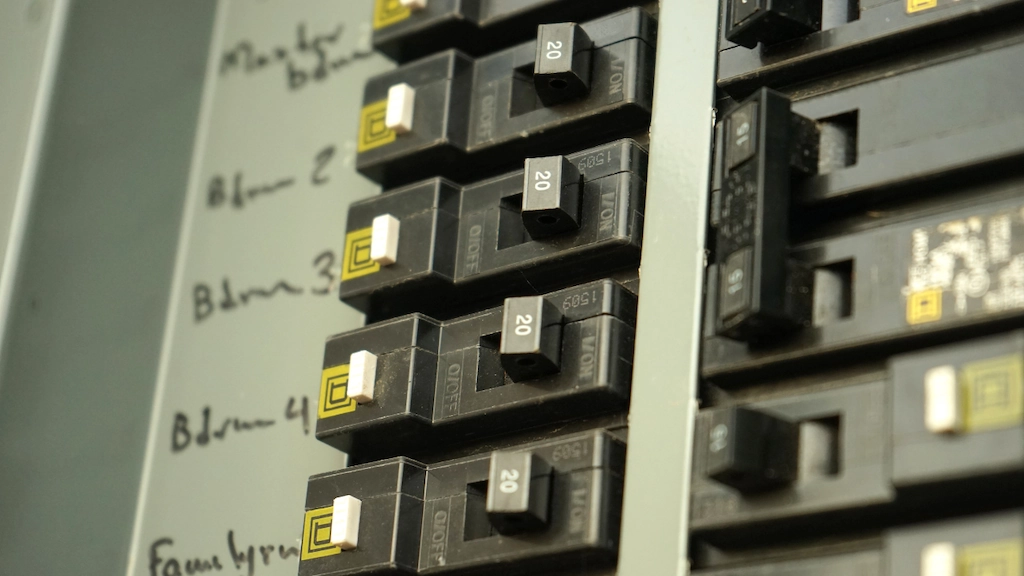
Winter can put more demand on your home’s electrical system than you realize.
Think about what happens on a typical cold evening. You might have the furnace running, a space heater warming the basement, the oven cooking dinner, a television playing upstairs, holiday lights plugged in outside, and several devices charging.
Individually, these appliances may not seem like a big deal. Together, they can create overloaded circuits.
Watch for signs such as:
- Frequently tripped breakers
- Lights dimming when large appliances turn on
- Outlets or switches that feel warm
- Flickering lights
- Burning smells
- Extension cords being used as a permanent solution
- Multiple high-wattage appliances plugged into the same circuit
Holiday decorating can add another layer of electrical demand. Before connecting multiple strings of lights or other decorations, make sure you’re not asking one circuit to do more than it should.
If a breaker keeps tripping, don’t simply reset it over and over. A repeatedly tripping breaker can be a warning that something needs attention.
3. Don’t Ignore Flickering Lights, Buzzing, or Burning Smells
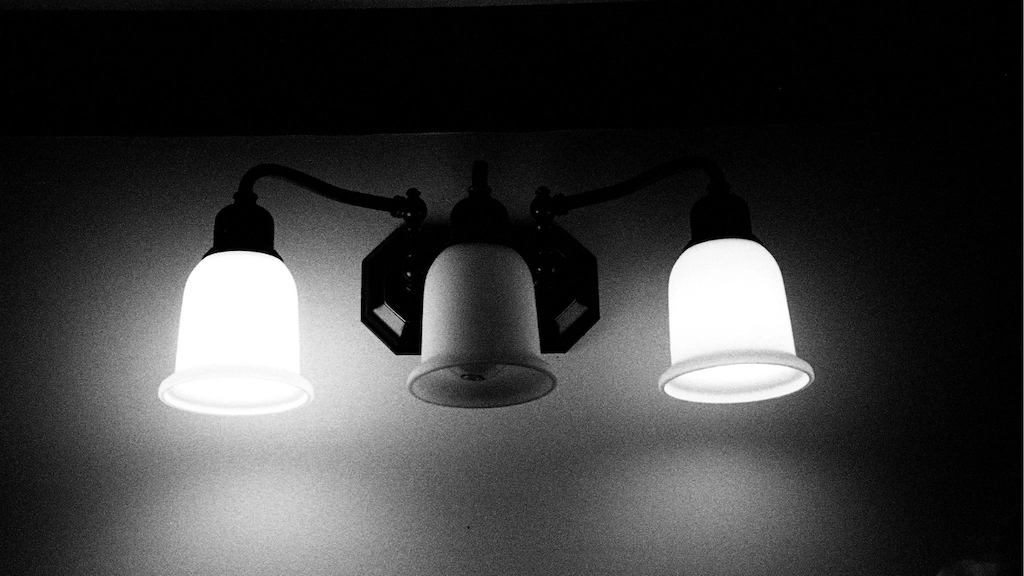
Your electrical system can give you warning signs before a problem becomes a bigger one. The key is paying attention.
Flickering lights can have several possible causes, including loose connections, overloaded circuits, or issues with a fixture or the electrical system itself.
The same goes for buzzing outlets or switches. Electricity shouldn’t normally make your outlets hum, buzz, crackle, or sizzle.
And if you notice a burning smell near an outlet, switch, appliance, or electrical panel, that’s a sign to take seriously.
These are not the kinds of issues to put on your “I’ll deal with that eventually” list.
For homeowners, knowing when to call an electrician is an important part of electrical safety for homeowners. If something looks, smells, sounds, or feels unusual, have it checked out rather than assuming it will resolve itself.
When should you call an electrician?
If you’re experiencing repeated breaker trips, persistent flickering, buzzing or crackling, warm outlets, burning odors, sparks, or other unexplained electrical behavior, it’s time to have a professional evaluate the problem.
A fall electrical inspection can also be a smart way to identify potential issues before winter demand puts additional stress on the system.
4. Get Your Outdoor Electrical Ready for Winter
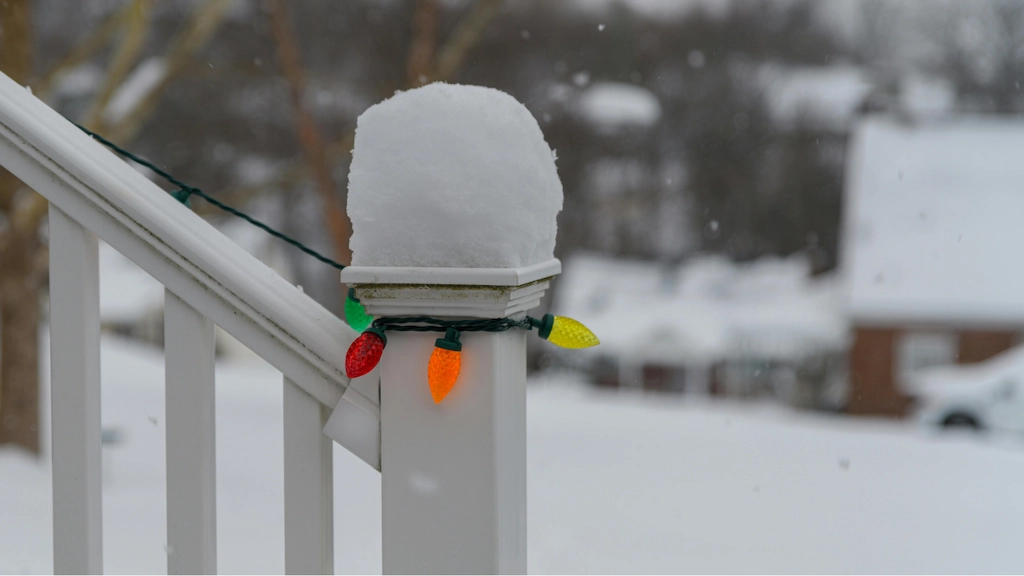
Don’t forget about the electrical components outside your home.
Fall is a good time to check outdoor outlets, lighting, and other electrical equipment before snow, ice, and freezing temperatures arrive.
Look for:
- Damaged outdoor outlets or covers
- Loose or exposed wiring
- Cracked weatherproof covers
- Outdoor GFCI outlets that aren’t functioning properly
- Damaged landscape or exterior lighting
- Holiday lights with frayed or damaged cords
- Connections that could be exposed to snow or standing water
Outdoor electrical safety is particularly important when you’re adding holiday decorations. Use lights and extension cords that are rated for outdoor use, and inspect them before putting them up.
Keep electrical connections away from areas where snow or water can accumulate, and don’t use damaged decorations simply because “they still work.”
Winter weather can turn a small electrical problem into a much bigger one.
5. Have a Plan for Winter Power Outages
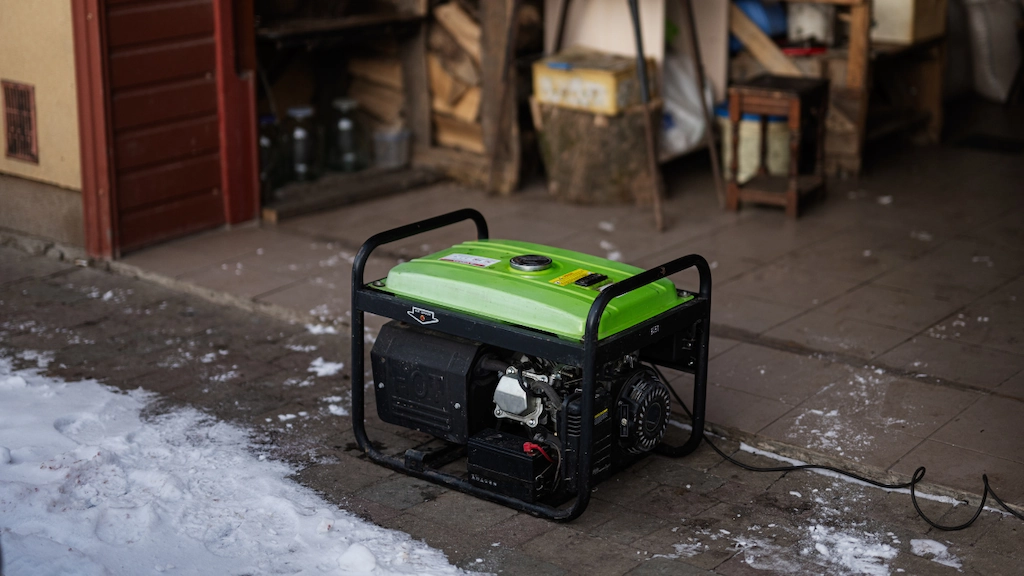
If you’ve lived through a Pennsylvania winter, you know a storm can knock out power when you least expect it.
Before winter arrives, think about how your household would handle an outage and whether a portable or standby generator makes sense for your home.
The most important part of generator safety is making sure the generator is installed and operated correctly.
Never operate a portable generator inside your home, garage, basement, or another enclosed space. Generators produce carbon monoxide, an invisible and potentially deadly gas.
If you’re considering a standby generator or connecting a portable generator to your home’s electrical system, talk to a qualified electrician about the proper setup. A properly installed transfer switch can help safely separate generator power from the utility electrical system.
It’s also worth deciding ahead of time which items you actually need to keep powered during an outage. Depending on your household, that might include:
- Refrigerators and freezers
- Heating equipment
- Sump pumps
- Medical equipment
- Essential lighting
- Internet or communication equipment
Having a plan before the next round of winter power outages is much easier than figuring everything out in the middle of a snowstorm.
While You’re At It, Test Your Smoke and CO Detectors
Your pre-winter checklist shouldn’t stop at the electrical panel.
Test your smoke detectors and carbon monoxide detector safety devices throughout the home. Replace batteries when needed and make sure everyone in the household knows what the alarms sound like and what to do if one goes off.
This is particularly important during the winter because homes are more likely to be closed up, heating systems are running regularly, and generators may be used during outages.
Check the manufacturer’s recommendations for detector replacement as well. Smoke and carbon monoxide detectors don’t last forever.
Frequently Asked Questions
How do I know if my electrical system is ready for winter?
Look for warning signs such as frequently tripped breakers, flickering lights, warm outlets, buzzing sounds, burning smells, or damaged wiring. If you notice any of these issues, have a qualified electrician inspect the problem before winter demand increases.
Can I plug a space heater into an extension cord?
No. Space heaters should be plugged directly into a wall outlet. Extension cords and power strips may not be rated for the heater’s electrical load and can increase the risk of overheating or fire.
Why do my lights flicker when I turn on a heater?
Flickering can sometimes indicate that a circuit is experiencing a heavy electrical load, but it can also be caused by loose connections or other electrical problems. Persistent flickering is worth having an electrician check.
Should I have my home’s electrical system inspected before winter?
A professional electrical inspection can help identify potential problems before you rely more heavily on heaters, appliances, holiday decorations, and other electrical equipment during the winter.
What should I do if I lose power during a winter storm?
Have flashlights, batteries, and emergency supplies ready, and know how you’ll safely use a generator if you have one. Never operate a portable generator inside a home, garage, basement, or other enclosed space because of carbon monoxide exposure.
How often should I test my smoke and carbon monoxide detectors?
Test them regularly according to the manufacturer’s instructions, replace batteries as needed, and replace the detectors themselves according to the manufacturer’s recommended lifespan.
Don’t Wait Until Winter Is Already Here
You don’t need to become an electrician to make your home safer before winter.
Start with the basics: inspect the outlets you’ll use for heaters, watch for signs of overloaded circuits, pay attention to unusual electrical behavior, check your outdoor electrical equipment, and make sure you have a safe plan for power outages.
These simple electrical safety tips can help you catch potential problems while there’s still plenty of time to address them.
And if something doesn’t look right, don’t wait for the first snowstorm to find out whether it’s a real problem.
Kinsmen Electric can help you get your home ready for the season with professional inspections, repairs, and electrical services. If you’ve noticed flickering lights, buzzing outlets, frequently tripped breakers, or other warning signs, schedule an inspection before winter arrives.
Don’t wait for the snow to tell you there’s a problem. Request an estimate today.