

There’s a certain satisfaction that comes with fixing something yourself.
You watch a tutorial. Make a trip to the hardware store. Maybe mutter a few choice words when the project takes twice as long as expected. Then, finally, you step back and think, “Hey, I did that!”
For plenty of home projects, that’s great. Electrical work is where things get a little more complicated.
If you live in an older home in Somerset County, what looks like a simple electrical project can uncover wiring, panels, or previous modifications you weren’t expecting. And while some basic electrical-related tasks are reasonable for homeowners, others are best left to a licensed electrician.
So how do you know the difference?
If you’re searching for when to call an electrician in Somerset, PA, the short answer is this: If the project involves changing, adding, repairing, or modifying the electrical system itself, it’s time to at least talk to a professional.
Here’s how to tell when you can grab the toolbox and when you should grab the phone instead.
Somerset County’s Older Homes: Why Wiring Age Matters

Somerset County has plenty of older homes, and that’s part of what gives the area its character.
It also means homeowners may encounter electrical systems that have been updated, modified, or added to over many decades.
Your home’s electrical system may have been perfectly adequate when it was installed. But today’s homes put significantly different demands on electrical systems.
Think about everything we plug in now:
- Large refrigerators and freezers
- Dishwashers and garbage disposals
- Microwaves and air fryers
- Home offices
- Multiple televisions and gaming systems
- Computers and charging stations
- Heat pumps and other electric equipment
- EV chargers
- Outdoor equipment
An older electrical system may not have been designed for all of that.
Then there’s another variable: previous homeowners.
In an older house, you may not know exactly who changed what over the years. A basement outlet may have been added by a previous owner. A garage may have been wired later. Someone may have replaced a fixture, moved an outlet, or modified a circuit without documenting the work.
That’s why old house wiring problems aren’t always obvious.
A breaker panel can look fine while there are issues elsewhere in the system. Wiring can be hidden behind walls. And a project that looks straightforward from the outside can become a very different project once you open the electrical box.
When you’re working on an older Somerset County home, knowing what you’re dealing with matters.
Electrical Tasks That Are Safe for Homeowners

Not every electrical-related task requires an electrician.
There are plenty of basic maintenance jobs homeowners can handle themselves, provided they’re comfortable doing so and follow the manufacturer’s instructions and basic safety precautions.
For example, homeowners can generally handle things like:
- Changing light bulbs
- Replacing batteries in smoke or carbon monoxide detectors
- Resetting a tripped breaker
- Plugging in or replacing plug-in appliances and devices
- Replacing a light fixture’s bulb or other user-serviceable components
- Installing certain plug-in lighting or smart-home devices
The important distinction is that these tasks don’t require you to modify the home’s electrical wiring.
That’s where the line starts to get blurry.
If your project involves opening an electrical box, changing wiring, adding a circuit, working inside an electrical panel, or figuring out why an electrical component isn’t working correctly, it’s time to stop and consider calling a professional.
A good rule of thumb?
If you’re changing how electricity gets from Point A to Point B, call an electrician.
Electrical Tasks That Should Be Handled by a Licensed Electrician
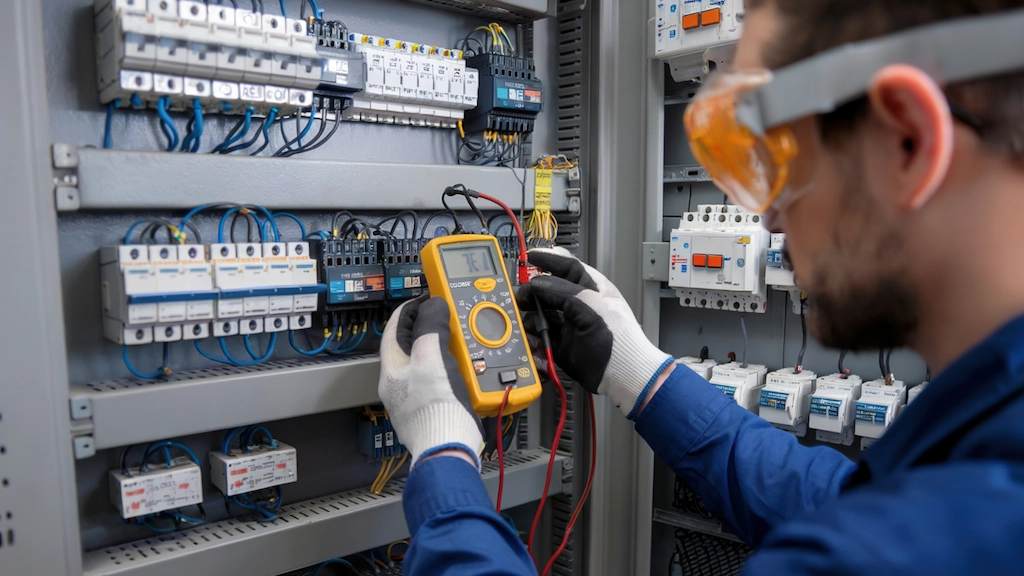
This is where DIY electrical work risks can increase quickly.
Projects involving the home’s wiring or electrical infrastructure require knowledge that goes beyond following a five-minute tutorial.
That includes projects such as:
Adding new circuits
Need power for a new appliance, workshop, addition, or other high-demand equipment?
Adding a circuit isn’t simply a matter of running some wire from the panel to the new outlet. The circuit needs to be appropriately designed, protected, installed, and connected to the existing electrical system.
Electrical panel work
Your electrical panel is not the place to learn as you go.
Panel upgrades, breaker changes, service changes, and other work inside the panel should be handled by someone who understands the system and applicable requirements.
Rewiring an older home
If you’re dealing with outdated or damaged wiring, don’t try to patch together a solution yourself.
An electrician can evaluate the existing system and determine whether repairs, targeted replacement, or a larger rewiring project makes sense.
Installing hardwired equipment
If a new appliance, heating system, generator, EV charger, or other equipment needs to be hardwired into your home’s electrical system, bring in a professional.
The equipment itself may have specific electrical requirements, and the installation needs to work safely with your home’s existing system.
Electrical work during renovations
Planning to finish a basement, remodel a kitchen, add a bathroom, build an addition, or renovate another part of the house?
Don’t wait until the walls are closed to think about electrical work.
Electrical planning should be part of the renovation from the beginning.
What About Permits and Electrical Code in Somerset County?
Here’s where things get particularly important for local homeowners.
Pennsylvania has a statewide Uniform Construction Code (UCC) that governs construction and renovation requirements. The UCC includes requirements involving electrical systems, and Pennsylvania states that permits and inspections can apply to electrical work and changes to residential electrical systems.
But there’s an important local piece, too.
More than 90% of Pennsylvania municipalities administer and enforce the UCC locally, either through their own employees or through certified third-party agencies.
Somerset County’s UCC information also explains that municipal authorization is required before a building permit is issued. If you’re unsure which application or process applies to your project, the county recommends contacting the Planning Office.
In other words, don’t assume that electrical permit requirements are identical everywhere in Somerset County.
The municipality where your home is located matters.
That’s one reason it’s smart to discuss your project with an experienced electrician before you start tearing into walls or replacing wiring. A professional can help you understand what the electrical portion of the project involves and whether permitting or inspection requirements need to be addressed.
And there’s another reason to take permits seriously.
Unpermitted electrical work can become a headache later, particularly if you’re renovating again or preparing to sell your home. You don’t want to discover during a future project that previous electrical work wasn’t properly permitted or completed.
Warning Signs You Need an Electrician
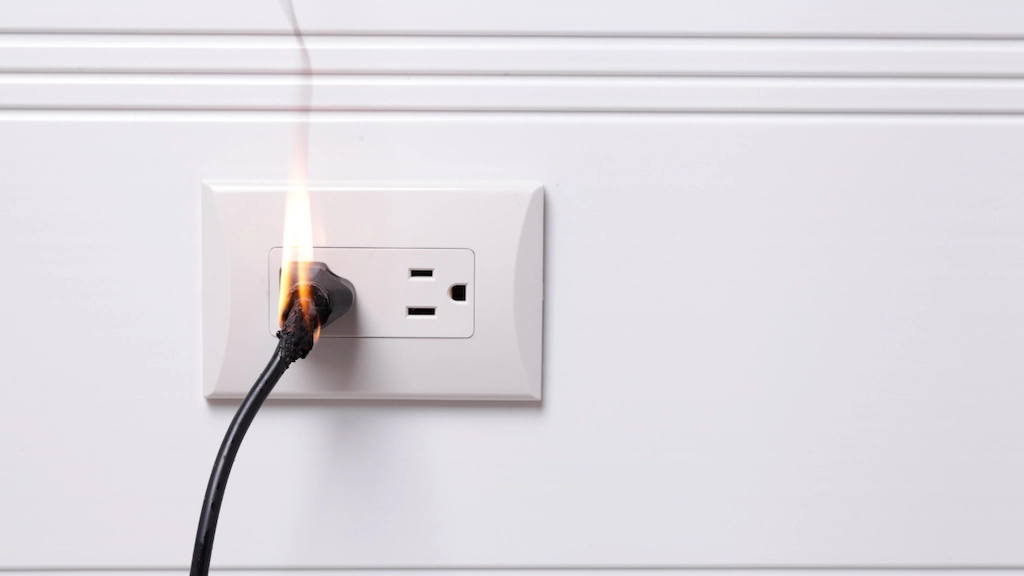
Sometimes you don’t have a project planned at all. You just know something about your home’s electrical system doesn’t seem right.
That’s when you shouldn’t ignore the warning signs.
Here are some of the most common signs you need an electrician:
Lights that flicker or dim
An occasional flicker may have a simple explanation, but persistent flickering or noticeable dimming can indicate an electrical issue that deserves professional attention.
Breakers that trip repeatedly
A breaker is designed to trip when there’s a problem, but if you’re constantly resetting the same breaker, don’t just keep resetting it.
Something is causing the circuit to trip.
Warm, discolored, or damaged outlets
An outlet or switch shouldn’t feel unusually warm or show signs of scorching, discoloration, melting, or physical damage.
That’s a reason to stop using it and have it evaluated.
Buzzing, crackling, or unusual electrical sounds
Electricity shouldn’t make your outlets or switches buzz, crackle, or snap.
If you hear something unusual, it’s better to have a professional investigate it than assume it’s nothing.
A burning smell
A burning or hot-plastic smell around an outlet, switch, light fixture, or electrical panel is not something to ignore.
Turn off the affected equipment if you can do so safely and contact an electrician.
You’re relying on extension cords everywhere
Extension cords are useful for temporary situations. If you’re using them as permanent wiring because your home doesn’t have enough outlets or circuits, that’s a sign your electrical system may need attention.
You don’t know what the previous homeowner did
This one is especially relevant in older homes.
If you find mystery wiring, unusual outlets, abandoned electrical components, or a panel that doesn’t seem to match the rest of the house, don’t start pulling things apart just to see what happens.
Have an electrician evaluate it first.
Electrician vs. Handyman: Who Should You Call?
This is another common homeowner question.
A handyman can be a great resource for many household projects. But electrical work is a specialized trade.
If the project involves your home’s electrical wiring, circuits, panel, grounding, or other electrical infrastructure, an electrician is the right person to call.
Think of it this way:
A handyman can help maintain your house. An electrician understands the electrical system inside it.
That distinction matters even more in an older home where the current project may be connected to decades of previous electrical work.
When in Doubt, Ask Before You DIY
You don’t need to call an electrician every time you change a light bulb.
But you also don’t need to prove your DIY skills by taking on a project that could create a bigger problem.
If you’re standing in your basement holding an electrical box and thinking, “I’m pretty sure I know what I’m doing…”, that’s probably your cue to pause.
Getting professional advice before starting can save you from a much more expensive repair later.
And sometimes, the electrician may tell you that your project is perfectly reasonable to handle yourself.
That’s a win, too.
The goal isn’t to convince homeowners that every electrical project requires a service call. It’s to help you know when you’re getting outside your comfort zone.
FAQs About Electrical Work in Somerset County
Can I do my own electrical work in Pennsylvania?
Some basic homeowner tasks may be possible without professional assistance, but electrical work involving wiring, circuits, panels, or other changes to an electrical system can be subject to Pennsylvania’s Uniform Construction Code and local requirements.
Because requirements can depend on the project and municipality, it’s best to check before starting.
Do I need a permit for electrical work in Somerset County?
It depends on the type of work and where your property is located. Pennsylvania’s UCC includes permitting and inspection requirements for certain electrical work, while municipalities play a role in local administration and enforcement.
If you’re unsure, ask before you start.
How do I know if my old house needs rewiring?
There isn’t one age that automatically means a house needs to be rewired.
Instead, an electrician should evaluate the condition and type of wiring, the electrical panel, the home’s current electrical demands, previous modifications, and any problems you’ve noticed.
If you’re experiencing frequent breaker trips, flickering lights, damaged outlets, unusual smells, or other electrical issues, an inspection is a smart place to start.
Is an electrician better than a handyman for electrical work?
For work involving electrical wiring, circuits, panels, or other parts of the electrical system, an electrician has the specialized training and experience needed to evaluate and perform the work appropriately.
What’s the biggest mistake homeowners make with DIY electrical work?
Probably assuming that because something looks simple, it is simple.
Electrical systems are interconnected. Changing one component can affect the rest of the system, and older homes can have surprises hidden behind the walls.
When you’re unsure, ask before you start.
Not Sure If You Need an Electrician? That’s Exactly What We’re Here For.
You don’t have to figure out every electrical problem in your Somerset County home by yourself.
If you’re planning a renovation, dealing with an older electrical system, or standing in front of a DIY project wondering whether you’ve gotten in over your head, Kinsmen Electric can help you determine the right next step.
When it comes to your home’s electrical system, it’s better to ask before you start than fix it after something goes wrong.
Need help with an electrical project? Request an Estimate from Kinsmen Electric.